Sand Making Machine Lubrication And Maintenance Guide
September 29, 2026
Summary:In manufactured sand production lines, vertical shaft impactors operate under continuous, extreme-load conditions. This engineering guide details essential sand making machine lubrication knowledge. Written by a senior maintenance engineer, it explains why simply adding oil is insufficient. It explores the critical roles of specific oil additives, the dangers of over-lubricating high-speed bearings, and why environmental factors—such as freezing northern winters and humid southern summers—must dictate the precise selection of lubricants to maximize mechanical lifespan and reduce operating expenses.
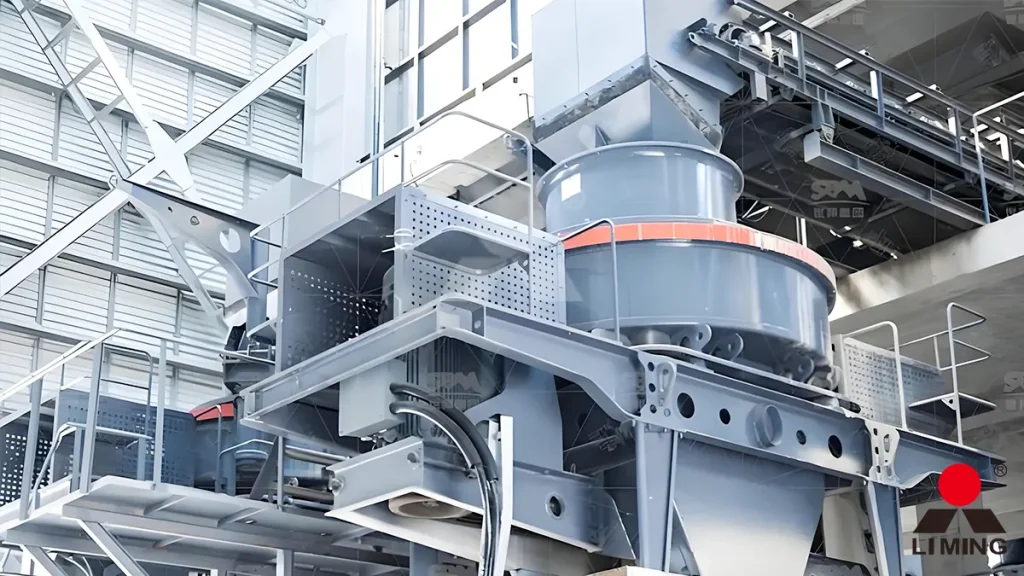
In a modern manufactured sand production line, the core comminution equipment frequently operates continuously under extreme, high-load conditions. For high-speed rotary machinery, such as the vertical shaft impactor, this intense operational stress drastically accelerates mechanical aging and significantly shortens the overall service life of the machine. The only effective engineering defense against this is the application of proper, scientifically managed lubrication. Exceptional lubrication protocols fundamentally reduce internal friction, extending the mechanical lifespan and preventing catastrophic failure. Therefore, understanding the technical principles of sand making machine lubrication is absolutely mandatory for any plant maintenance engineer.
In heavy industrial machinery, failures caused by abrasive and adhesive wear account for the vast majority of operational breakdowns. For a sand maker, executing a flawless lubrication strategy is critical. It accomplishes far more than just reducing the metal-on-metal friction between internal moving parts; it actively prevents rust and chemical corrosion on exposed metal surfaces, and most importantly, it acts as a dynamic cooling medium, dissipating the immense heat generated by the high-speed main bearings during continuous production.
The Engineering Reality of Industrial Lubrication
The benefits of systematic equipment lubrication are massive, yet executing it correctly requires deep technical expertise. Contrary to the common misconception among novice operators, proper machine maintenance does not mean simply pouring raw lubricating oil into the reservoir until it looks full. Depending on the specific machine type and its current operational state, the base oil must often be formulated with specialized chemical additives—such as extreme-pressure anti-wear agents or anti-foaming compounds—to achieve peak mechanical protection.
Furthermore, while the lubricating oil must reach the manufacturer’s designated liquid level, over-filling the reservoir is a critical engineering mistake. Injecting an excessive volume of oil creates severe hydraulic churning inside the housing. For a high-speed machine like a sand maker, this churning directly causes the main shaft bearings to overheat catastrophically, eventually leading to bearing seizure and total machine failure.
Strict Maintenance Protocols
It is a strict mechanical rule that different types and viscosity grades of lubricating oils cannot be mixed or used as generic substitutes for one another under normal circumstances. When adding or replacing lubricating oil, maintenance personnel must strictly adhere to the standardized operating procedures outlined in the equipment’s technical manual.
Routine, disciplined inspections are mandatory. Plant engineers must continuously check the oil levels to prevent dry running and monitor the oil’s physical condition to ensure it has not degraded or oxidized. Under no circumstances should used or degraded oil be recycled back into the machine. Used oil contains massive amounts of microscopic metal shavings, silica dust, and degraded chemical byproducts; injecting this contaminated fluid back into the system will act as a grinding paste, violently accelerating the wear of the precision bearing components.
Adapting Lubrication to Environmental Realities
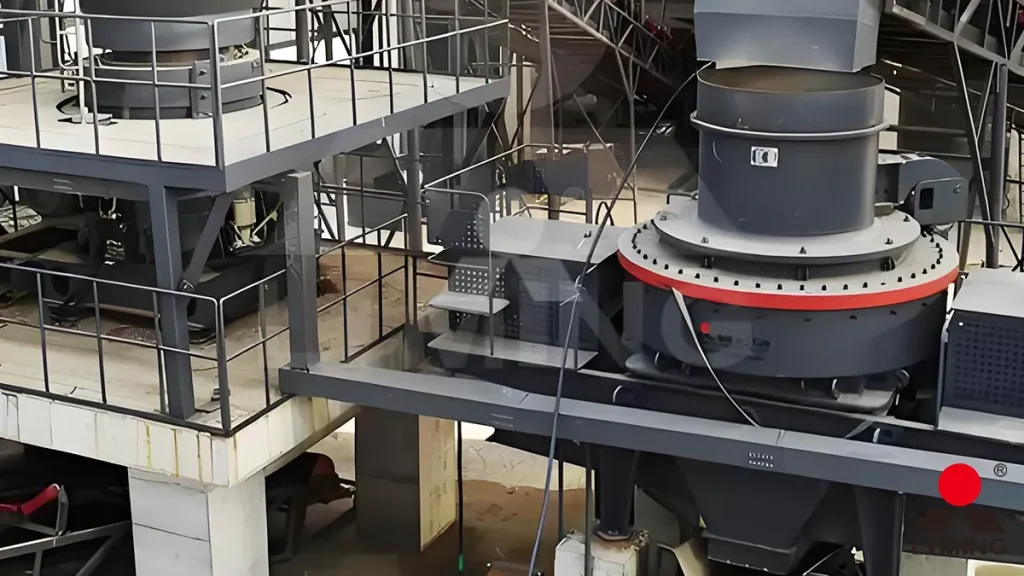
Finally, the application of lubricating oil must be dynamically adjusted based on the actual environmental conditions of the processing site; operators cannot blindly follow the generic recommendations printed in the baseline product manual. Two identical sand making machines operating in entirely different climates will face drastically different mechanical challenges.
For instance, equipment deployed in freezing northern environments often must start up and operate in temperatures plunging tens of degrees below zero. In this scenario, the chosen lubricating oil must possess exceptional anti-freezing properties and a very low pour point to ensure it flows immediately upon startup, preventing dry-friction damage to the bearings. Conversely, equipment operating in tropical or southern environments rarely faces freezing temperatures, but it must endure brutal summer heat and heavy, relentless monsoon rains. For these humid, high-temperature operations, the maintenance team must prioritize high-viscosity oils that resist thermal breakdown, heavily supplemented with extreme anti-rust and moisture-displacing additives to protect the steel components from severe oxidation.
By implementing a highly scientific, environmentally adapted lubrication strategy, aggregate plant operators can guarantee the mechanical stability of their Liming Heavy Industry equipment, drastically reducing unexpected downtime and lowering their long-term daily operating expenses.
