Copper Ore Processing Plant Equipment And Beneficiation
September 21, 2026
Summary:Copper is typically found in low-grade deposits, requiring rigorous metallurgical beneficiation to produce high-grade concentrate for smelting. This engineering guide explores copper ore processing plant equipment and beneficiation technology. Written by a senior process engineer, the article details the integration of physical, chemical, and biological extraction methods. It explains the specific application of froth flotation, gravity, and magnetic separation across different ore types—including azurite, oxide copper, and carbonate copper—highlighting how advanced crushing and grinding machinery from Liming Heavy Industry maximizes total metal recovery.
In the global mining sector, copper deposits are predominantly classified as low-grade ores. Therefore, run-of-mine copper cannot be smelted directly; it must be enriched through specialized mineral processing technologies and heavy machinery to produce a high-grade copper concentrate. The beneficiation of copper ore primarily encompasses three distinct physical and physicochemical methodologies: washing and screening, gravity separation, and magnetic separation, usually culminating in a massive froth flotation circuit.
Copper concentrate is the absolute primary raw material for copper smelting. Currently, commercial smelting is divided into pyrometallurgy (fire refining) and hydrometallurgy (wet refining). Pyrometallurgy dominates the industry, relying on sintering roasting followed by blast furnace or flash smelting. Hydrometallurgy remains largely in the experimental or specialized application phase for specific oxide ores. Before the ore ever reaches the smelter, it must survive a highly complex mechanical and chemical journey inside the processing plant.
Core Copper Ore Beneficiation Technologies
Copper beneficiation is a multidisciplinary science based on physics, chemistry, and biology. The applied technologies are classified as follows:
- Physical Methods: Includes ore washing, screening, gravity separation, and magnetic separation.
- Chemical Methods: Includes froth flotation (using chemical reagents to alter the surface properties of minerals) and acid leaching.
- Biological Methods: Includes advanced bacterial oxidation beneficiation technologies.
The most frequently deployed industrial methods are Gravity Separation, Froth Flotation, Magnetic Separation, Electrostatic Separation, and Chemical Beneficiation.
1. Froth Flotation
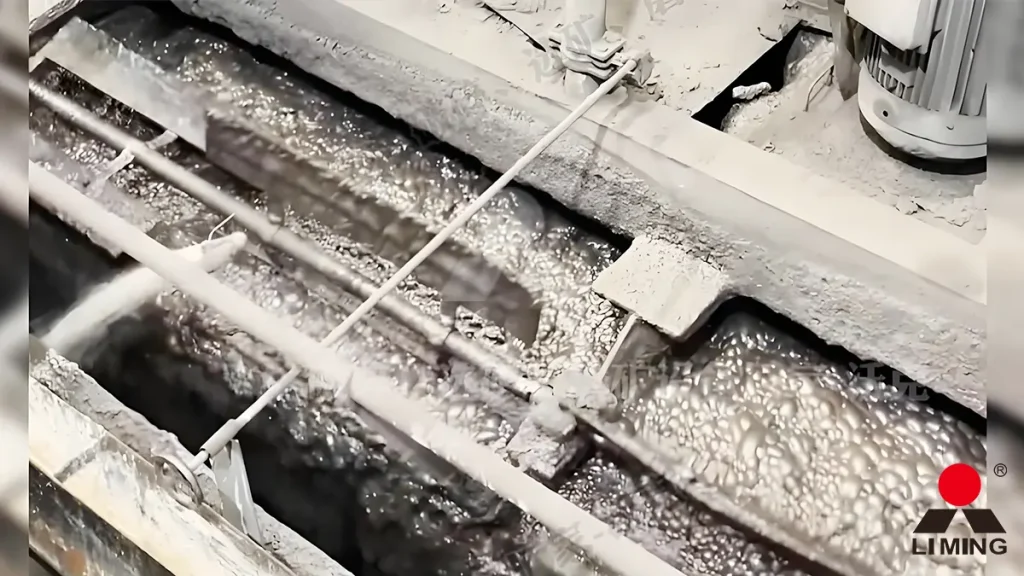
Froth flotation is the undisputed king of copper extraction. It relies on the differences in the physicochemical properties of mineral surfaces. By treating the ground slurry with specific chemical reagents, copper minerals selectively attach to air bubbles and float to the surface. Flotation is the primary method for processing non-ferrous metallic ores like copper, lead, zinc, sulfur, and molybdenum.
2. Gravity Separation
Gravity separation sorts minerals based on their relative density (specific gravity). Particles of different densities are subjected to fluid dynamics and mechanical forces within a moving medium (water, air, or heavy liquids), resulting in a loose stratification that separates the heavy copper minerals from the lighter gangue.
Currently, gravity separation is utilized primarily for copper ores with simple structural dissemination and relatively coarse grain sizes, making it exceptionally suitable for high-density oxide copper ores. Common methods include heavy media separation, jigging, and shaking tables. A typical flowsheet involves crushing the ore to 0-5mm or 0-9mm, classifying it, and sending the coarse fraction to a jigging machine and the fine fraction to a 6-S shaking table.
3. Magnetic and Electrostatic Separation
Magnetic separation exploits the different magnetic susceptibilities of minerals within a magnetic field, separating magnetic iron and associated minerals from non-magnetic copper. Electrostatic separation separates minerals based on their electrical conductivity within a high-voltage electric field. While less common for pure copper, it is heavily used for separating complex polymetallic rough concentrates, such as separating tantalite from columbite.
4. Chemical Beneficiation
Chemical beneficiation uses chemical methods to alter the mineral composition, enriching the target components. For example, leaching malachite-bearing copper ore with dilute sulfuric acid dissolves the copper into a copper sulfate solution. The copper ions are then precipitated out of the solution using iron scrap to yield metallic sponge copper. While highly effective for low-grade, fine, and refractory ores, chemical processing consumes massive amounts of expensive reagents, so it is only used when physical flotation fails.
Process Flow and Equipment Selection
A standard copper ore processing plant integrates crushing, grinding, classification, separation, and drying. These stages are linked by automated belt conveyors to ensure continuous, unbroken material flow.
1. Crushing and Grinding Circuit
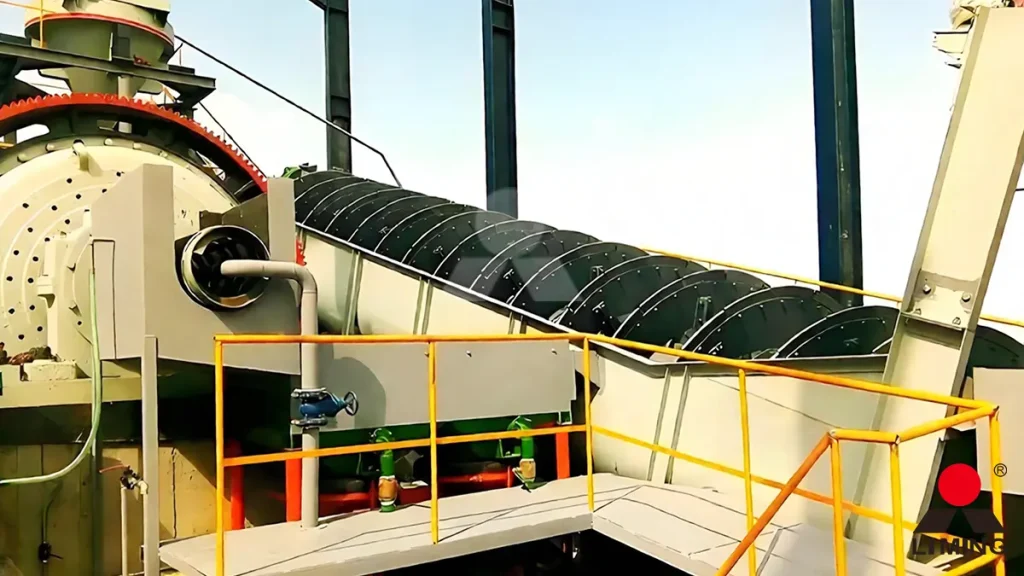
To prepare the ore for chemical separation, it must undergo multi-stage crushing. We strongly recommend deploying the heavy-duty C6X Series Jaw Crusher from Liming Heavy Industry for primary coarse reduction, followed by the HPT Multi-Cylinder Hydraulic Cone Crusher for secondary fine reduction. Once crushed to the target size, the ore is fed into an Overflow Ball Mill. The ball mill operates in a closed loop with a Spiral Classifier or Hydrocyclone cluster. This ensures that any unliberated coarse particles are sent back to the mill, while only perfectly ground particles proceed to the flotation stage.
2. The Flotation Circuit
The classified mineral mixture enters the magnetic separator (if required to remove magnetic iron impurities) before flowing into the mechanical flotation cells. Based on the exact mineral characteristics determined during laboratory testing, specific chemical collectors and frothers are added. The chemicals isolate the desired copper minerals, creating a mineral-rich froth. Because this froth contains a massive amount of water, it must be processed through a deep-cone thickener and a rotary dryer to produce a dry, transportable copper concentrate.
Specialized Copper Ore Flowsheets
1. Oxide Copper Ore Processing
Oxide copper ores are notoriously difficult to process. They are primarily beneficiated using gravity separation. Because iron and manganese impurities are difficult to separate from oxide copper using standard gravity or flotation methods, a “Reduction Roasting followed by Magnetic Separation” process is frequently employed. For weathered oxide ores containing massive amounts of mud, a “Washing followed by Gravity Separation” flow is utilized.
2. Carbonate Copper Ore Processing
In sedimentary carbonate copper ores, the primary copper minerals include rhodochrosite and manganocalcite, heavily associated with silicate and carbonate gangue. These complex ores often feature ultra-fine copper dissemination (down to several microns), making mineral liberation extremely difficult and high concentrate grades hard to achieve. Some commercial operations resort to direct roasting to remove volatile components and yield a finished product, while others deploy complex “Flotation followed by High-Intensity Magnetic Separation” circuits.
Future Development Trends in Copper Beneficiation
The future of copper mineral processing is driving toward massive scale, extreme energy efficiency, and total automation.
- Chemical Reagents: The industry must develop highly adaptable, non-toxic, and low-temperature-resistant reagents. The focus is on creating high-efficiency collectors capable of floating non-quartz silicate gangue minerals and expanding the application of reverse flotation processes.
- Comminution Equipment: The industry is shifting heavily toward ultra-fine, energy-saving grinding equipment. Integrating advanced High-Pressure Grinding Rolls (HPGR) alongside large-scale ball mills will drastically elevate the technological level of global copper processing.
- Flotation Technology: Flotation cells are becoming physically larger to maximize economies of scale while reducing the lower limit of recoverable particle sizes. The integration of complex force fields into flotation machines and the widespread adoption of PLC automated control systems represent the absolute forefront of metallurgical research.
By partnering with an established manufacturer like Liming Heavy Industry, mining enterprises can ensure that their crushing and grinding circuits are perfectly engineered to support these advanced beneficiation technologies, maximizing copper recovery while strictly controlling daily operating expenses.
